





Survivors' benefits
Surviving spouses of a deceased member may—provided all requirements are met—receive a widow’s or widower’s pension from the Saxon Medical Pension Fund upon application. Surviving children are also entitled to an orphan’s pension in the event of a member’s death. This also requires an application to the SÄV.

Widow's and Widower's Pension
The surviving spouse is entitled to a widow’s or widower’s pension if the marriage lasted at least one year and was in effect until the member’s death. This also applies to civil partnerships. There is no entitlement to a widow’s or widower’s pension if the marriage took place after the onset of permanent disability or the commencement of retirement pension payments. For the first 6 months, the pension amounts to 80% of the deceased member’s retirement pension; thereafter, it amounts to 60%. If the surviving spouse remarries or enters into a civil partnership, we will discontinue payments after 5 years.
Orphan's allowance
Surviving children may, upon application, receive a half-orphan’s or full-orphan’s allowance until they reach the age of 21. If they are enrolled in an educational program or have a permanent disability, eligibility for benefits may be extended until the age of 27.
Half-orphans receive 25% of the deceased member’s pension for the first 6 months, and 20% thereafter. Full orphans initially receive 40%, and from the seventh month onward, 33% of the pension of the deceased parent (in each case).
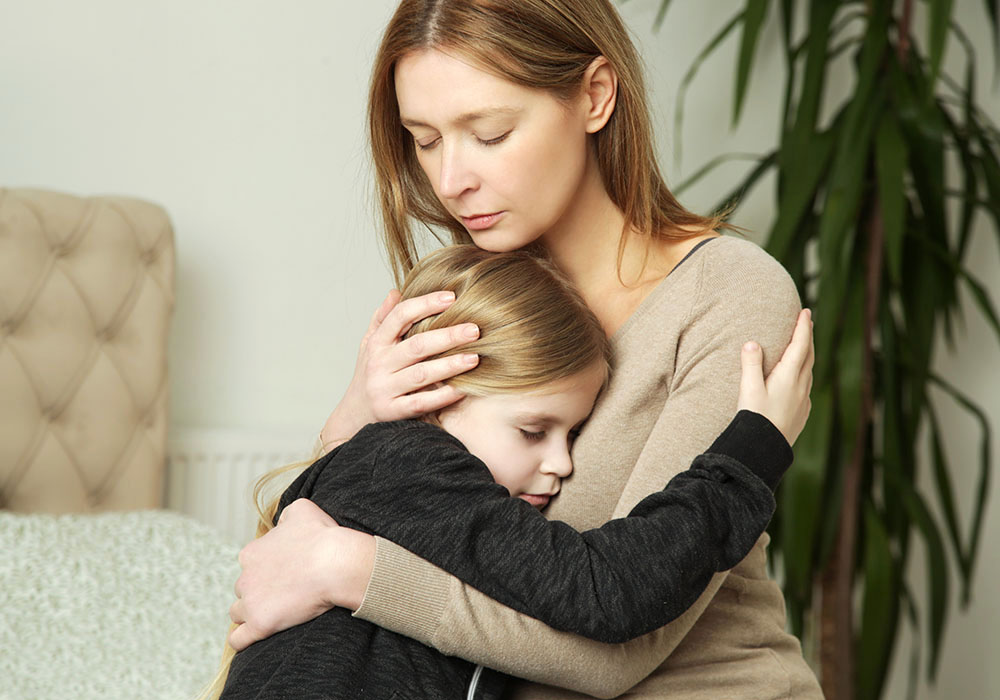
Häufige Fragen zum Witwen- & Witwergeld
To be eligible for a widow’s or widower’s pension, the marriage must have been in force until the death of the pension scheme member. The marriage must not have taken place after the member became permanently incapacitated for work or after the start of payments of the (early) old-age pension. The widow’s or widower’s pension is paid by the Saxon Medical Pension Fund, regardless of any other income received by the surviving spouse.
Frequently Asked Questions About Orphan's Benefits
Orphan's benefit may be paid for children who have not yet reached the age of 21, or who are still in education or training (university studies, vocational training, voluntary service), or who are themselves unable to work. In the latter cases, the upper age limit is 27 years of age.
Appropriate evidence of education (or inability to work) must be submitted regularly by the 10th of the current month to ensure uninterrupted payment.